ANO MERA
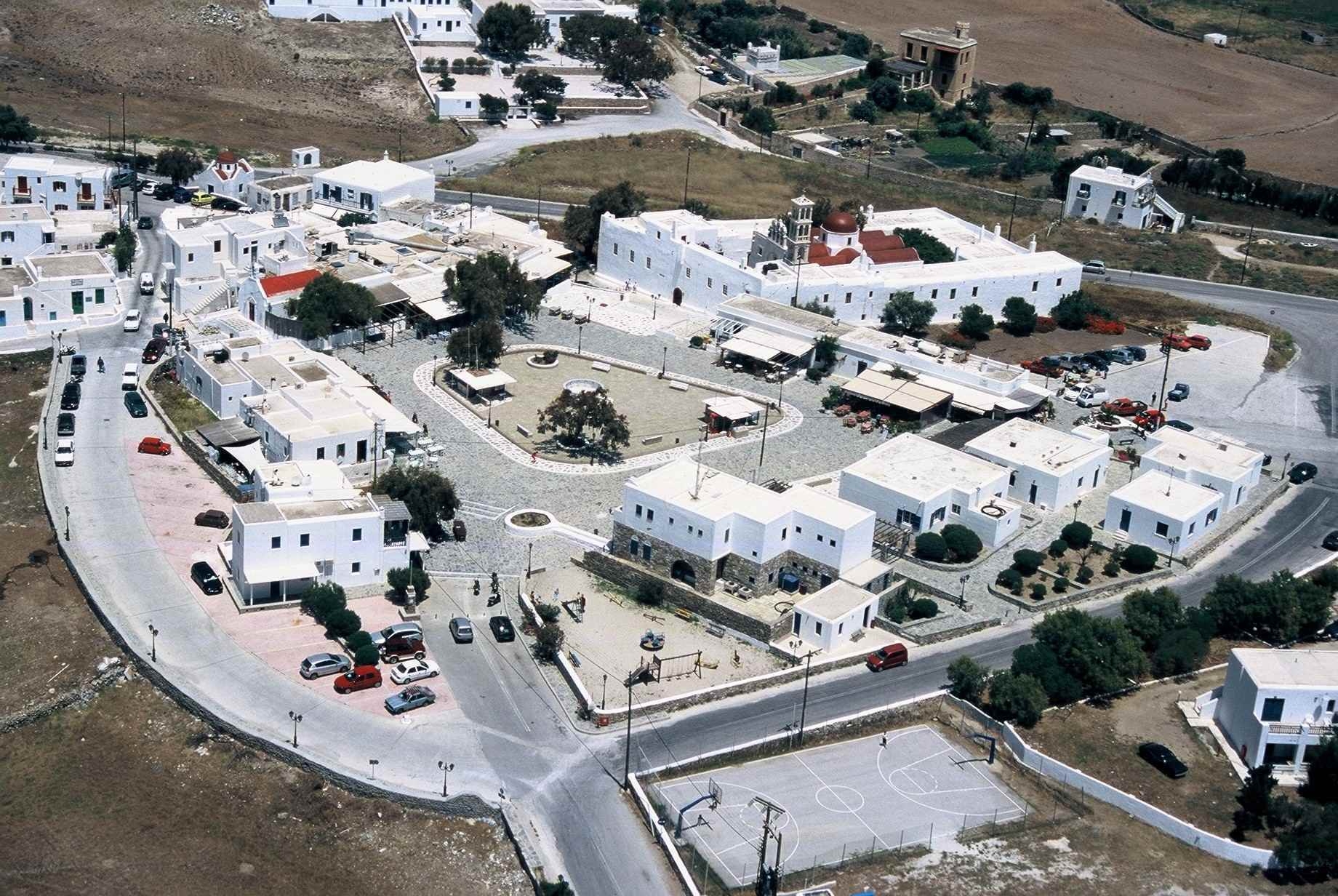
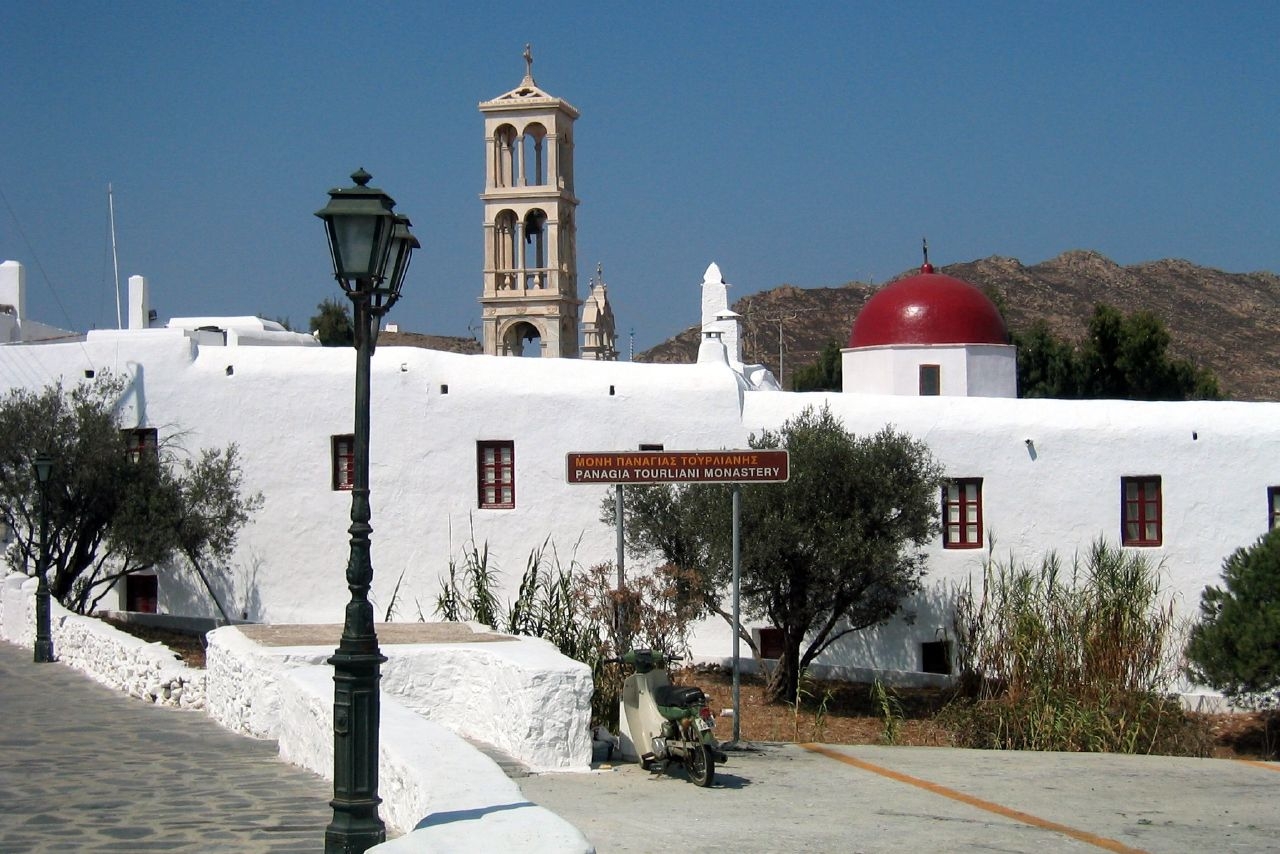
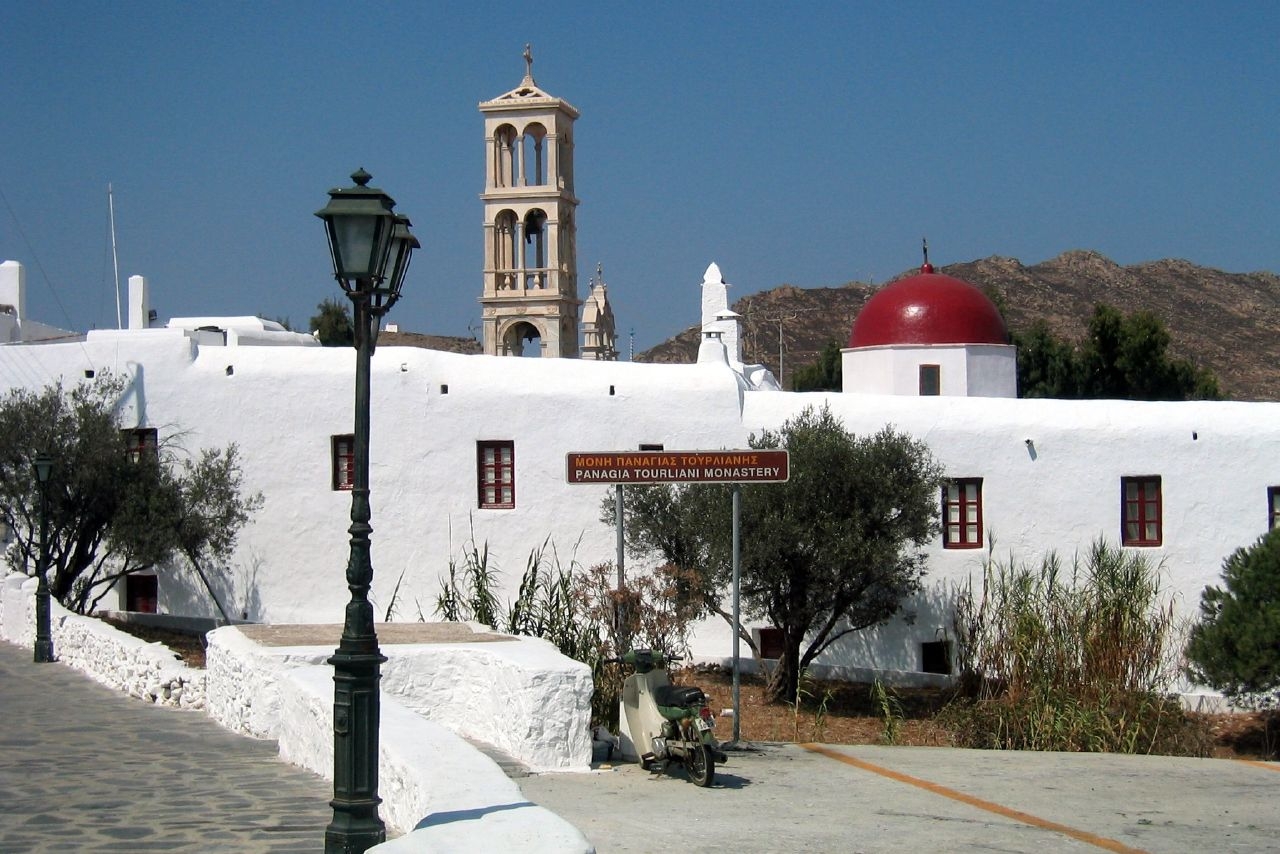
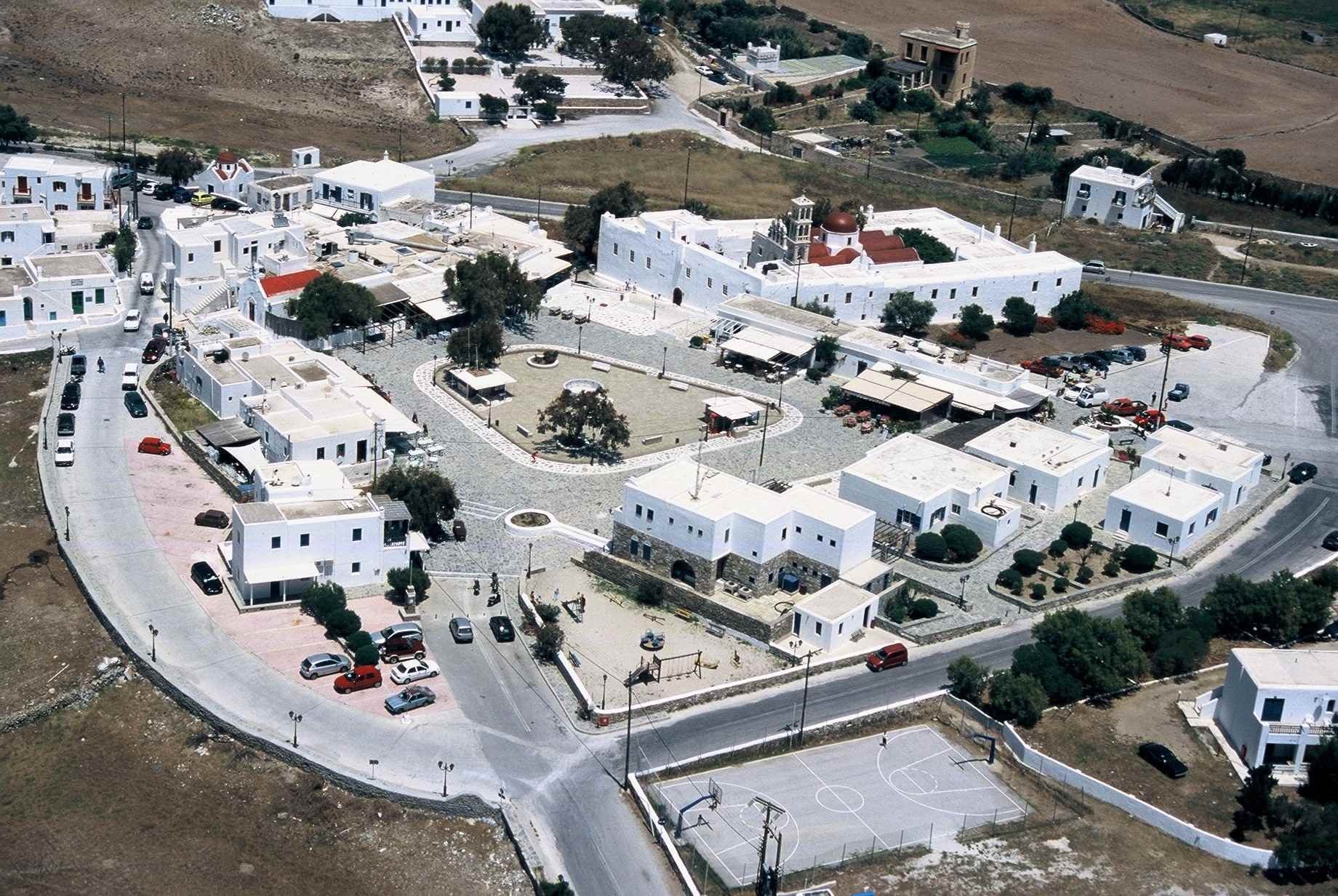
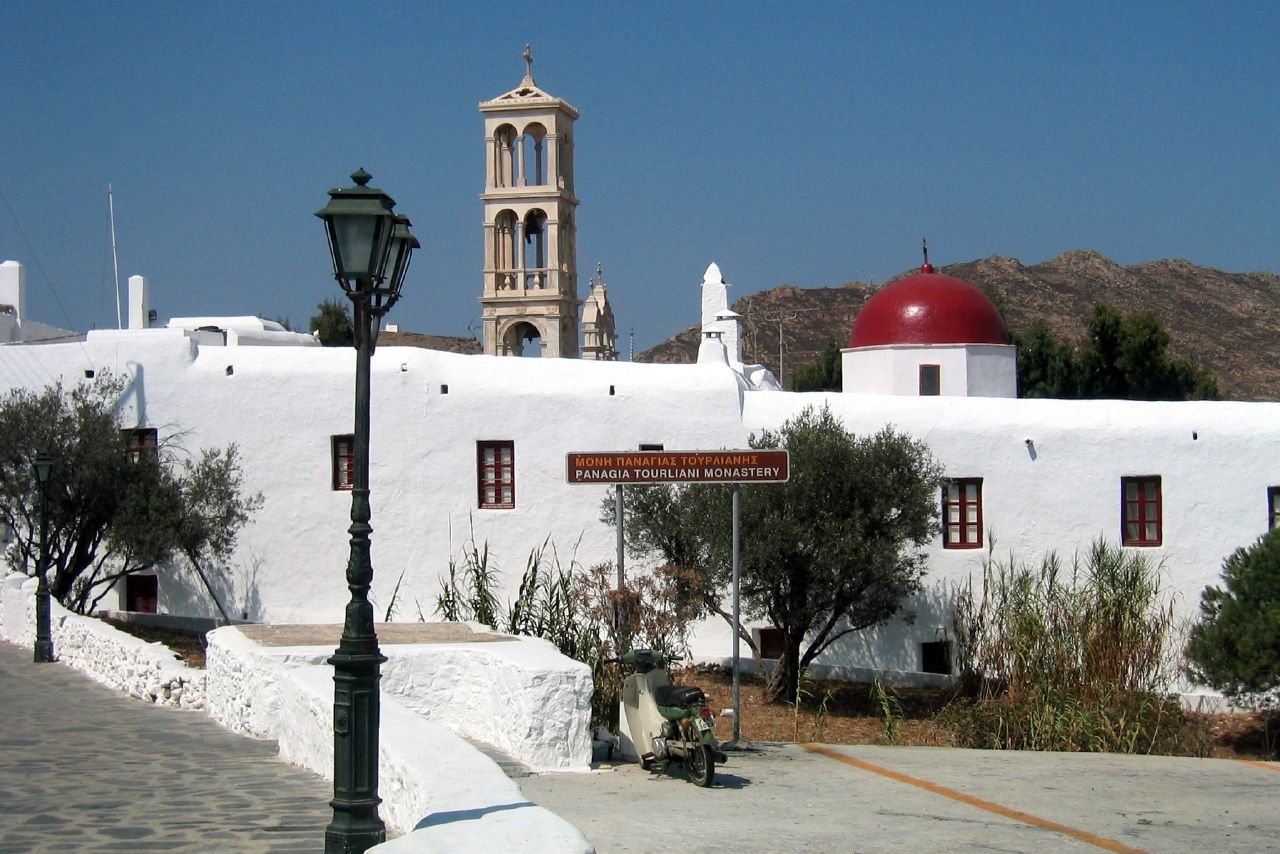
About 8 km from Mykonos town is Ano Mera, the most populated village on the island. Consisting of several scattered settlements, having as center the Cloister and the Panagia Tourliani church.
The Cloister, totally in Cycladic architecture, was probably founded in the 16th century (in 1542 by two monks as the inscription on the miraculous contemporary icon indicates), and it was restructured in 1767. The marble and the water spigot are impressive, as well as the interior with the byzantine icons.
Worth visiting are also the Monastery of Paleokastro, on the opposite hill, where one can see the remains of a Byzantine castle. There are remains of the ancient fort of the site, and also of graves of the Geometric period.
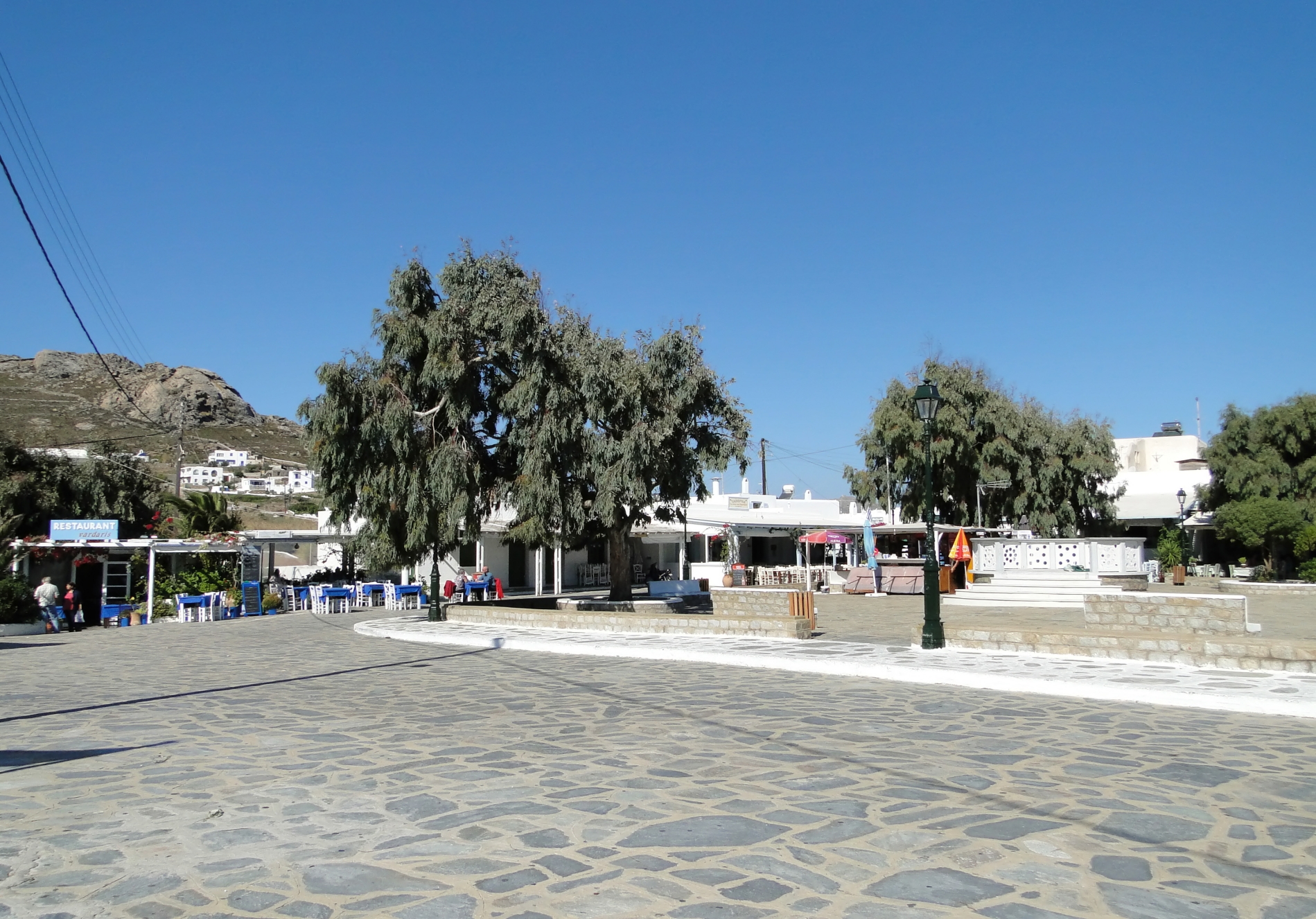
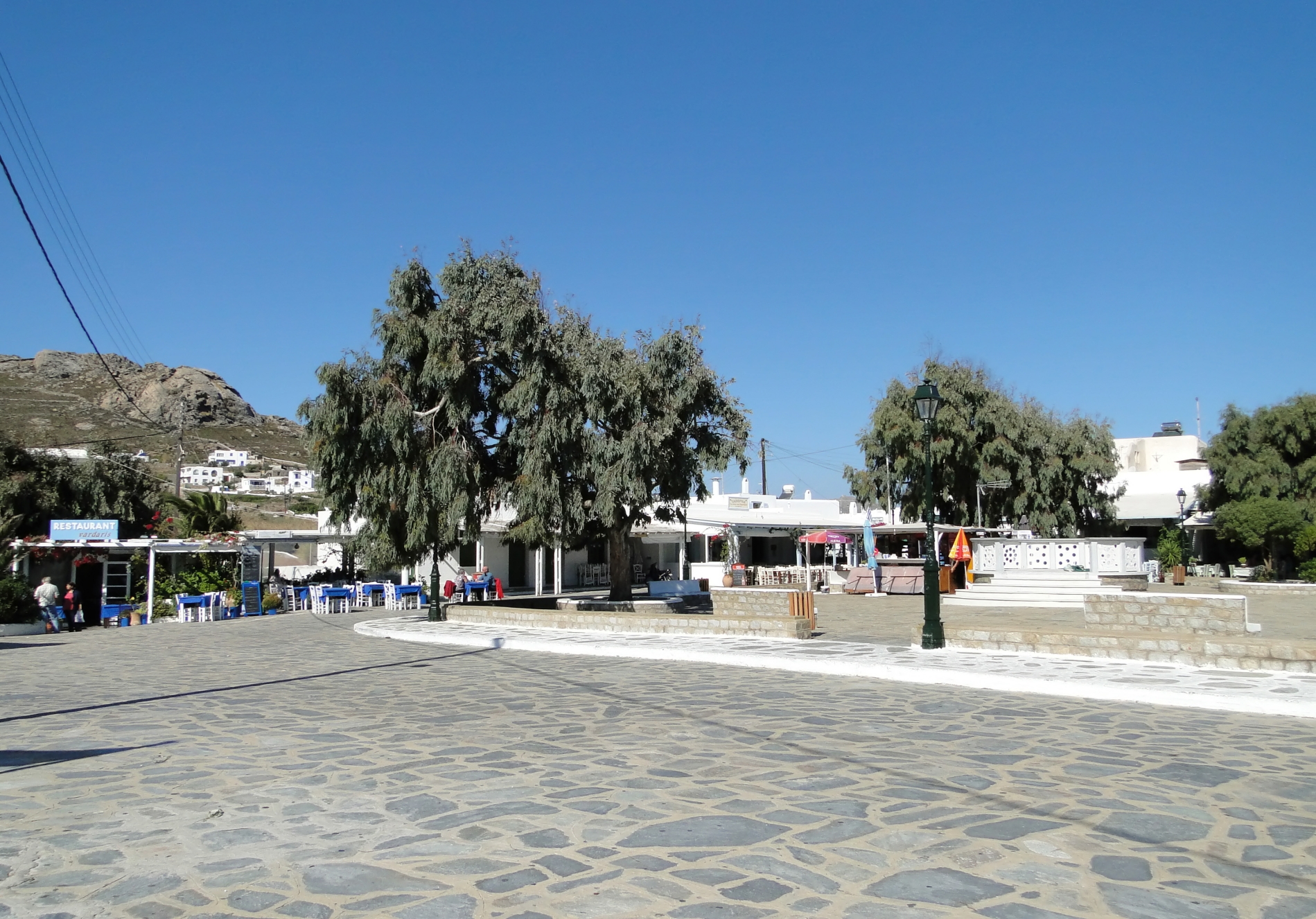
Because of the areas peaceful environment and location, wherefrom visitors may have easily access to the splendid beaches of Kalo Livadi ,Elia ,Kalafatis and Agia Anna . Ano Mera has been developed and nowadays offers the possibility to stay overnight. In the small central square you shall find tavernas and pastry shops serving traditional sweets.
MYKONOS TOWN
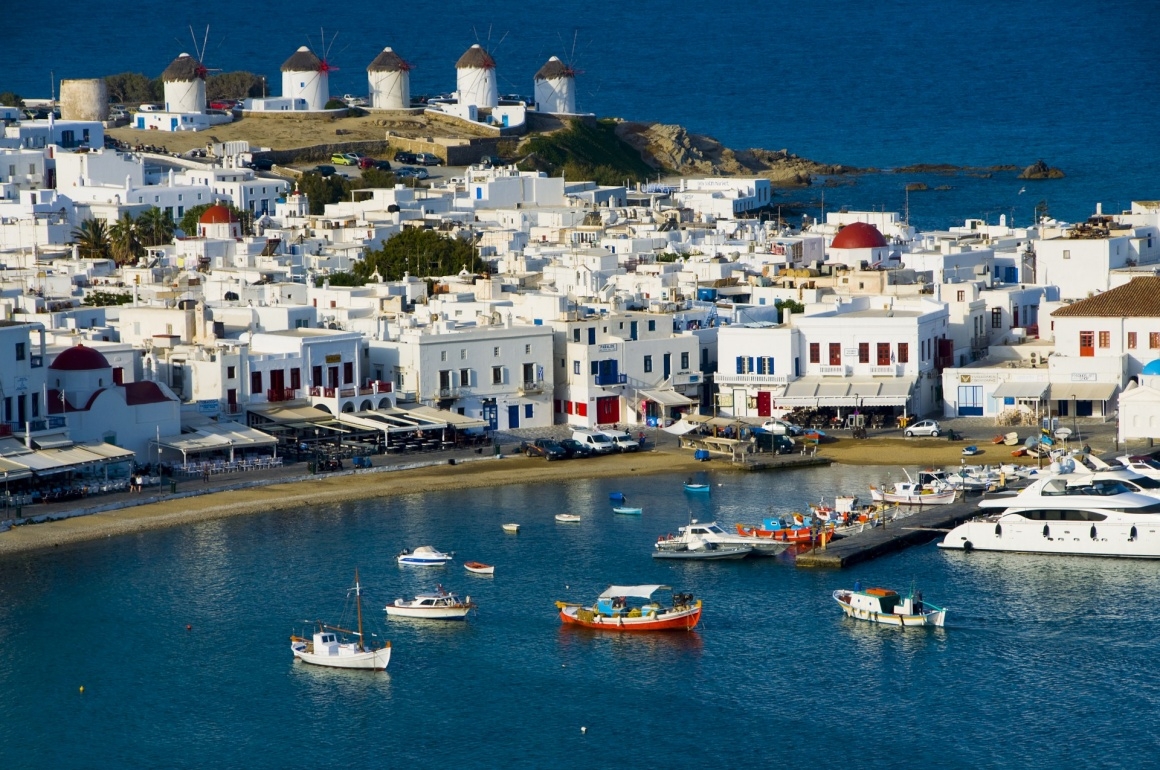
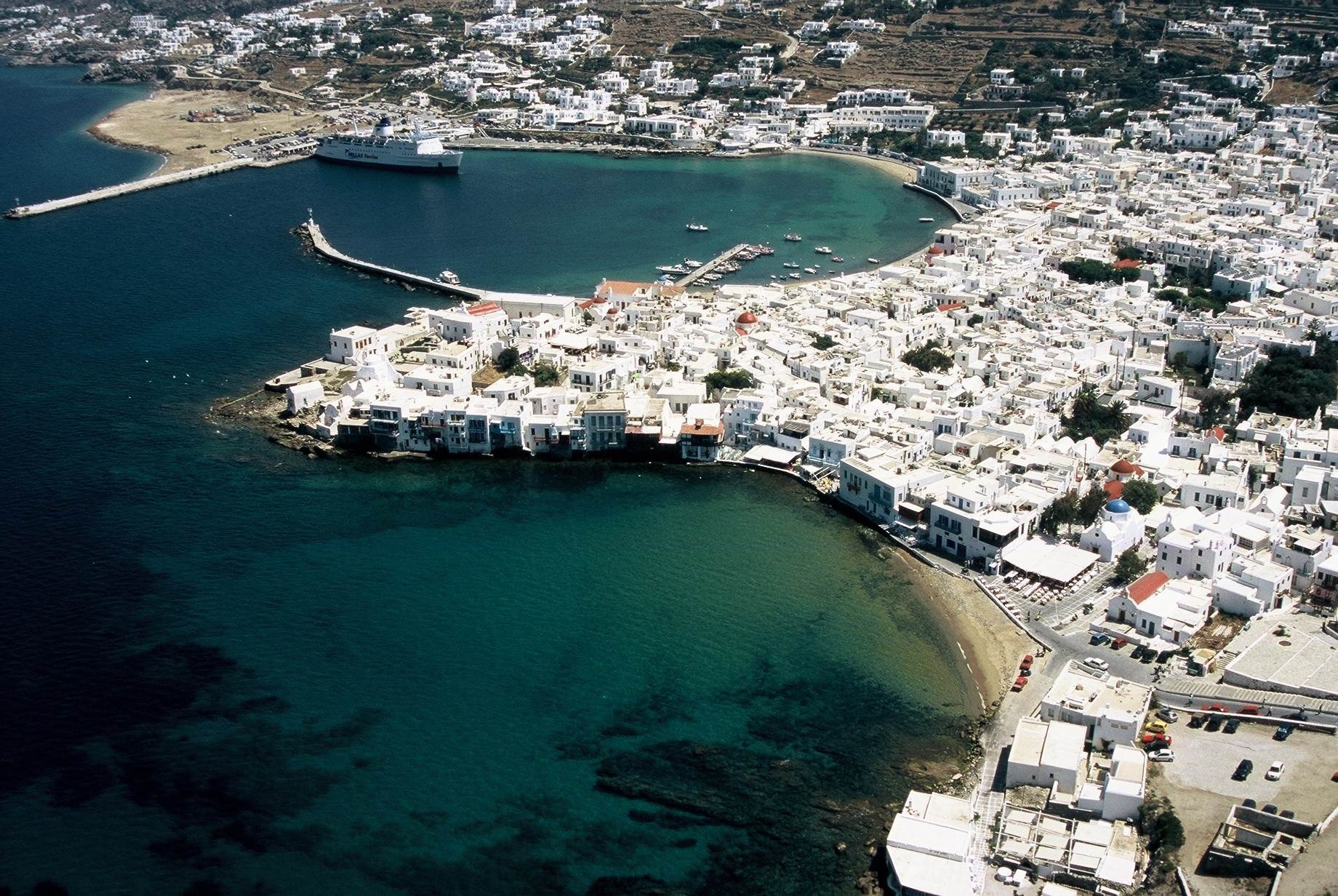
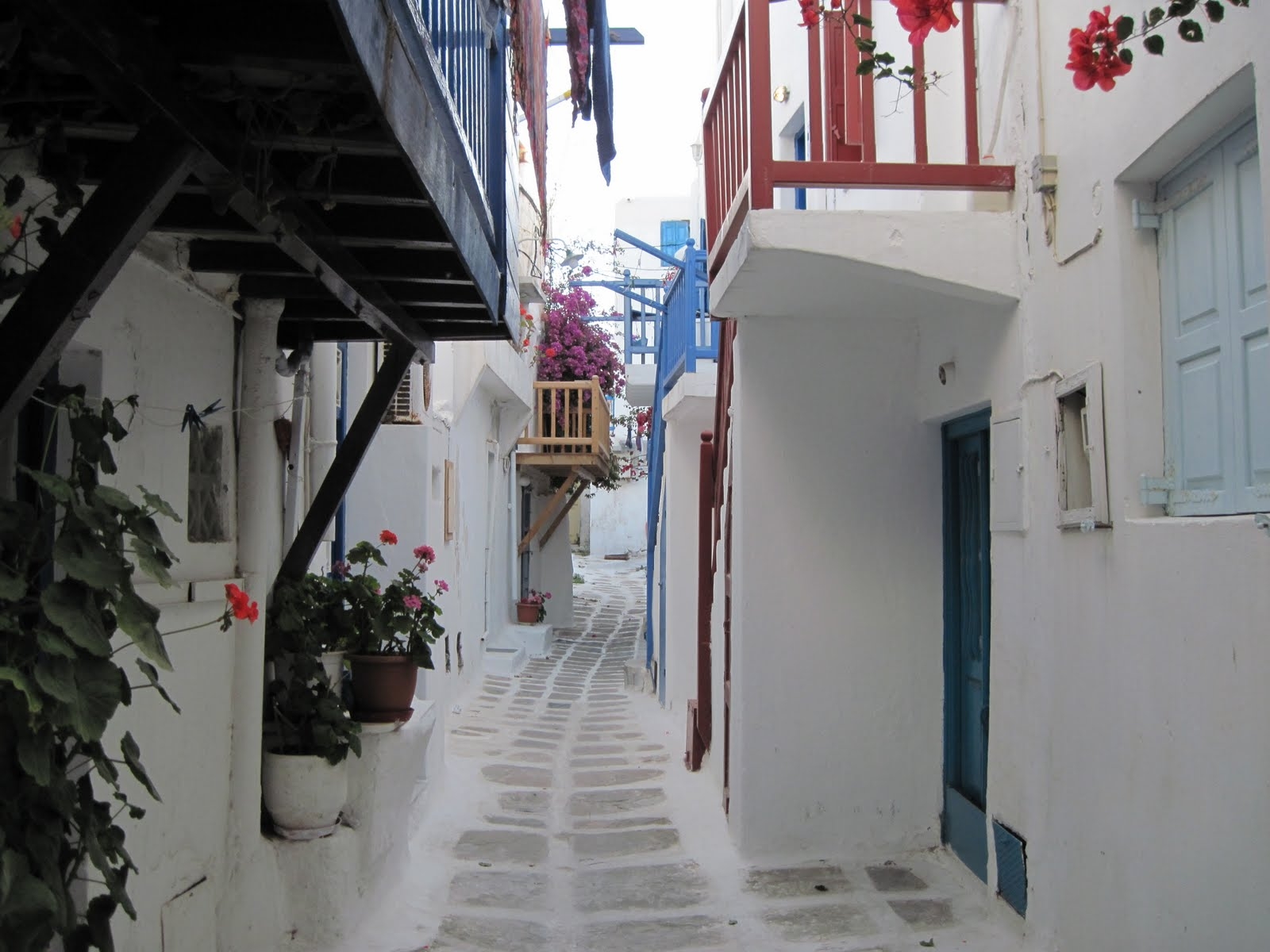
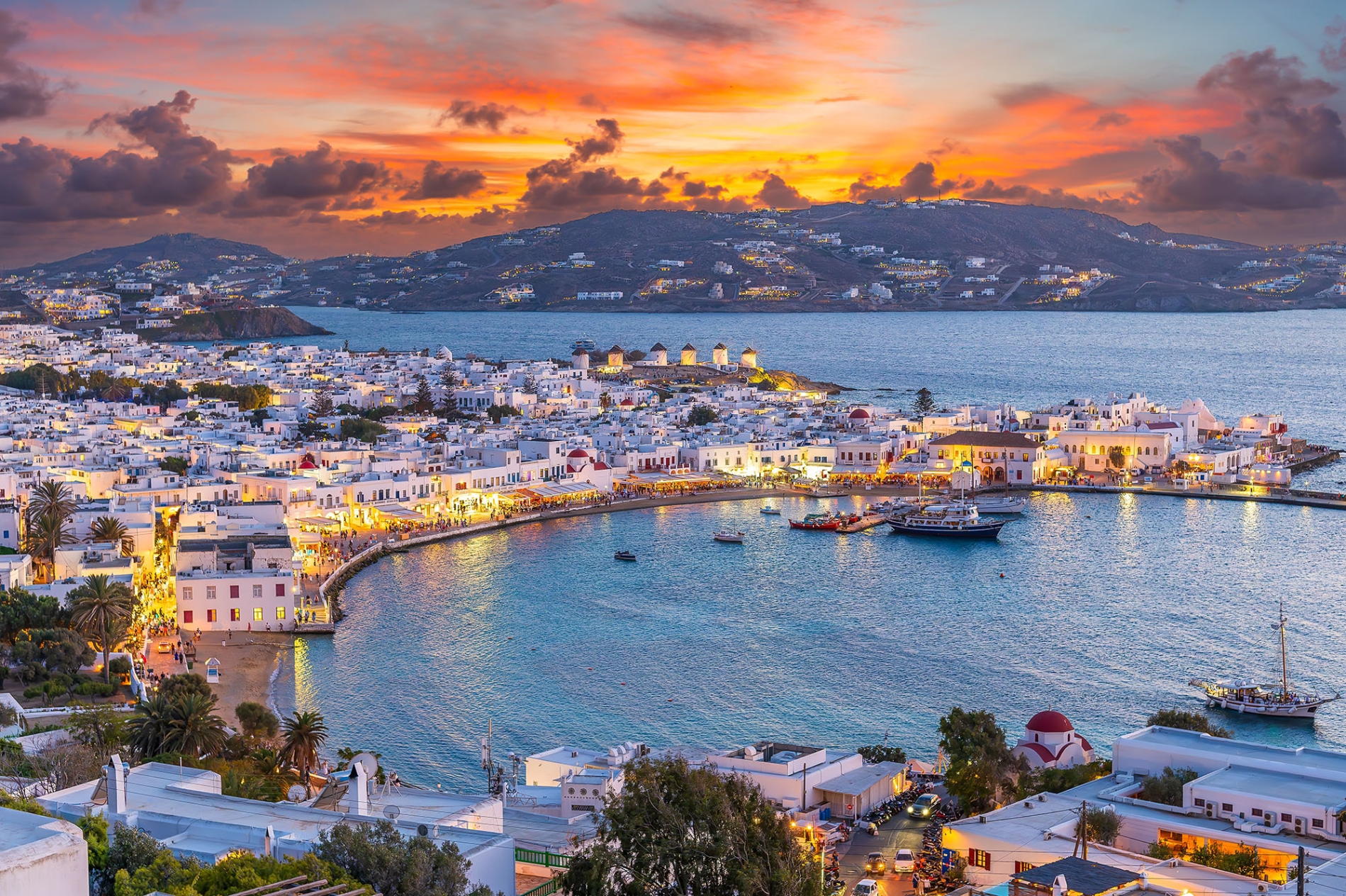
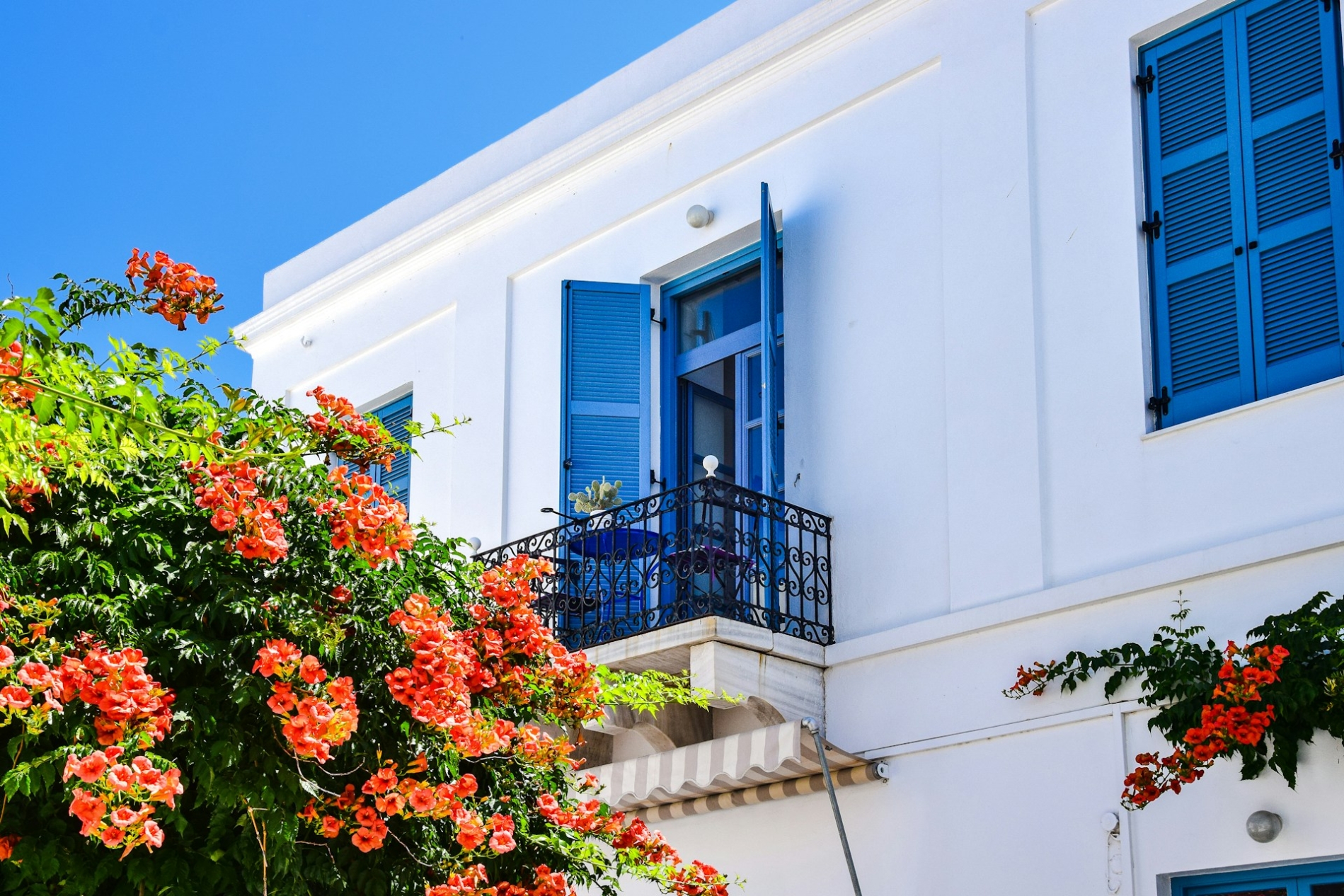
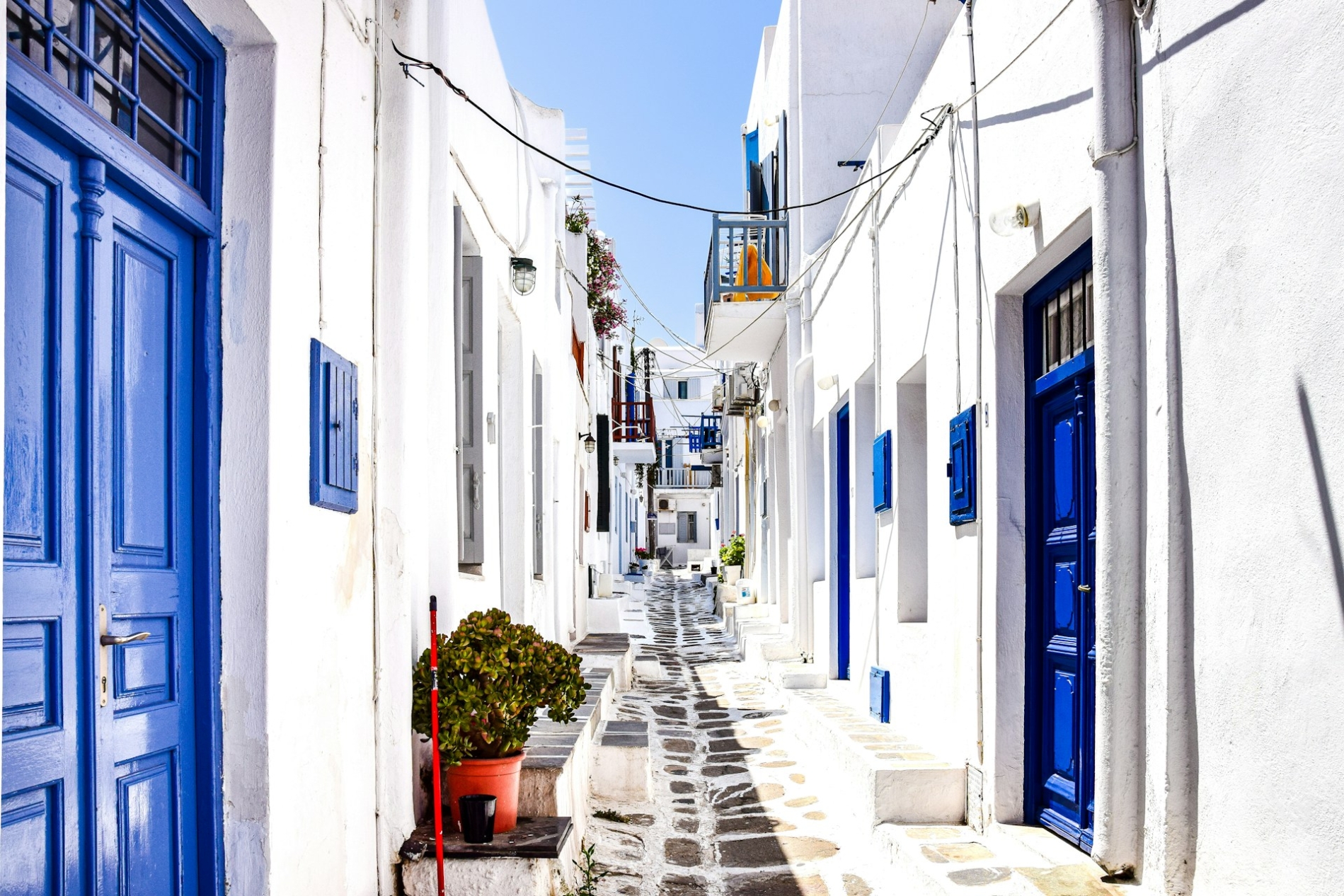
Mykonos Chora is definitely one of the nicest and most charming towns of the Greek islands, with endless small streets, shops, windmills, churches, terraces and whitewashed houses. A place to wonder around for days and every time find something unexpected. Because of the street layout (intended to confuse pirates) it”s also the perfect place to lose your way. It has two harbours where you can just sit and have a drink or something to eat, while enjoying the views and the people that walk by, and another harbour where the ferries depart. Some ferries however dock at Tourlos, which is a half an hour walk away from Mykonos town itself. Behind the harbour front you will find endless (and very clean!) shopping streets with souvenirs and jewellery (I guess mainly for the older American tourists that visit Mykonos town on a cruise), the hotels and guesthouses, and more restaurants. Most ticket offices for the ferries are on the main boulevard.
LITTLE VENICE
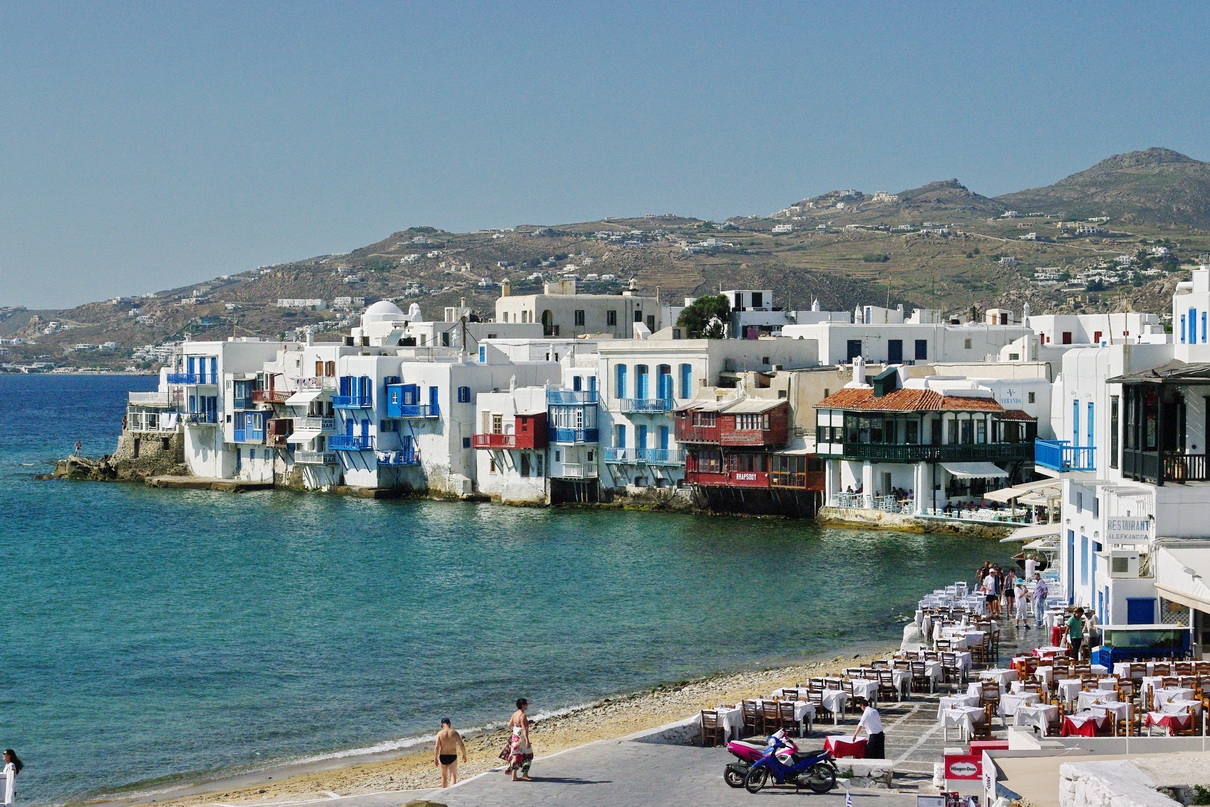
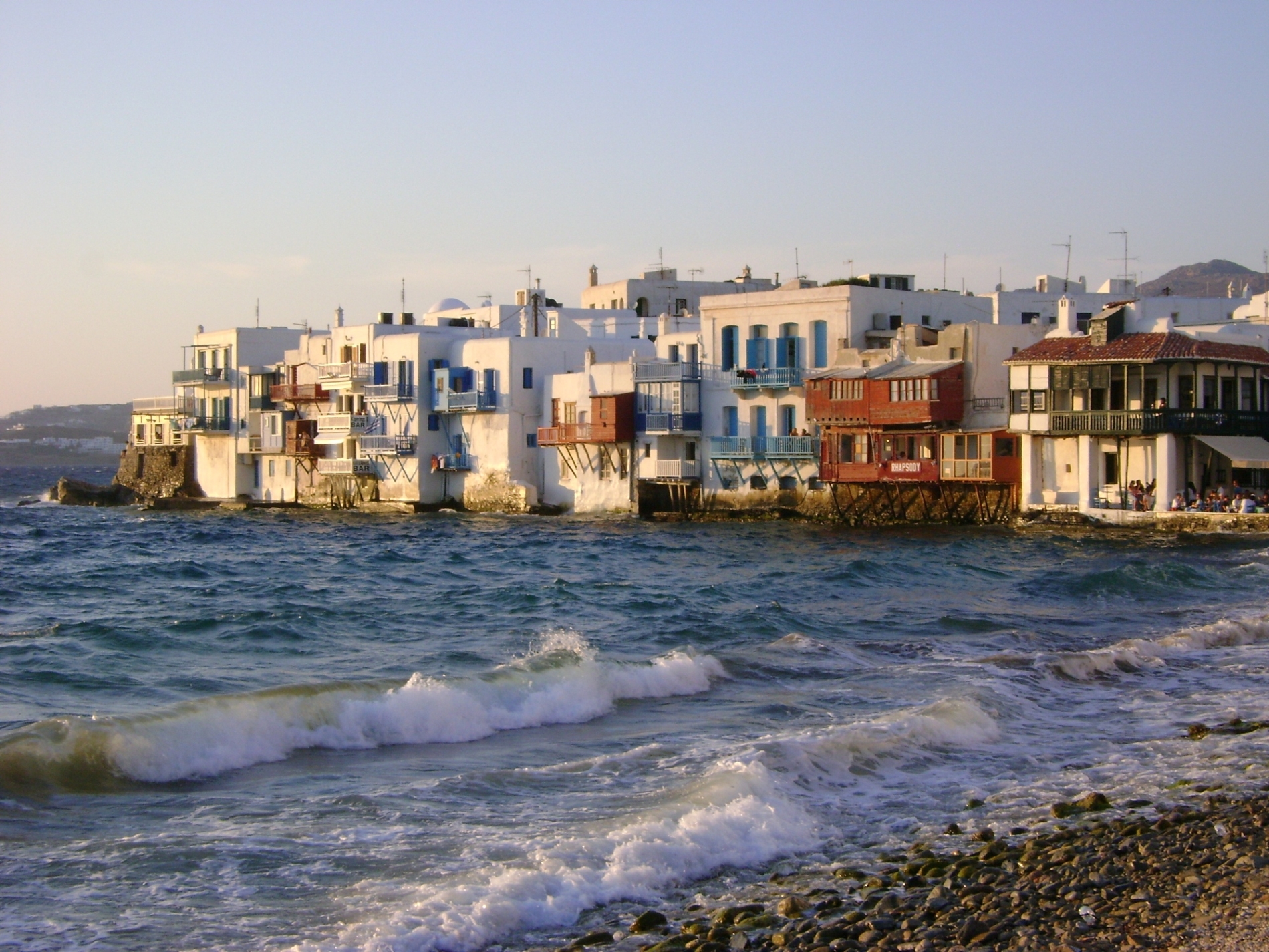
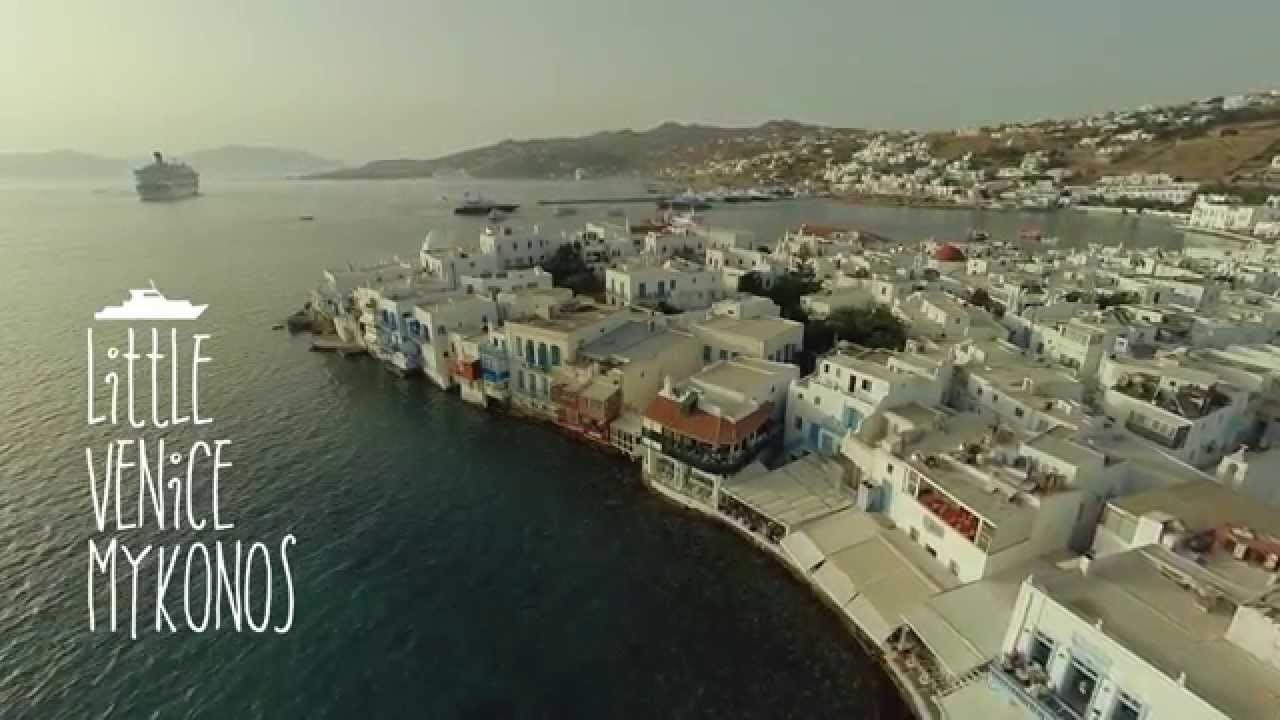
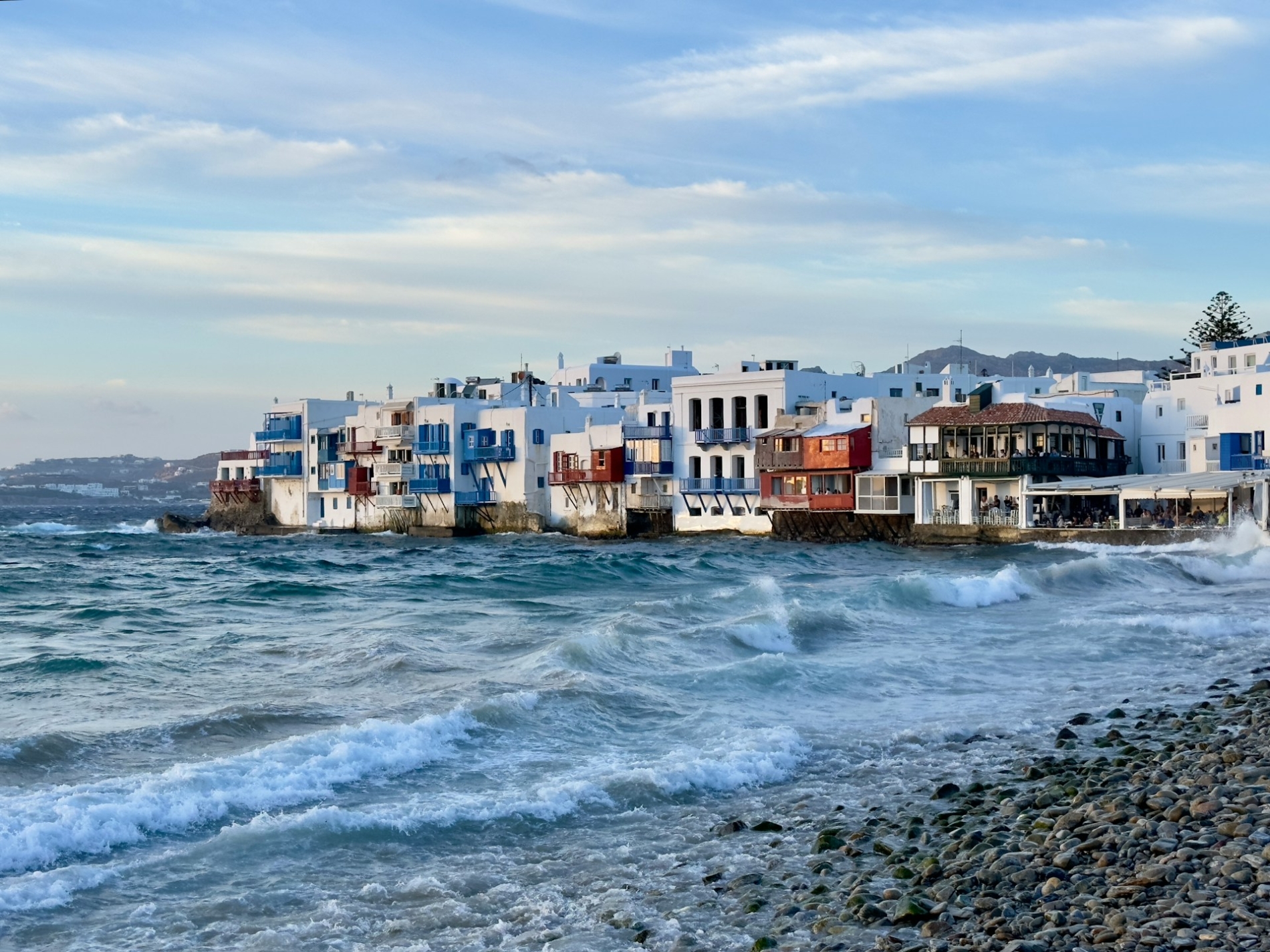
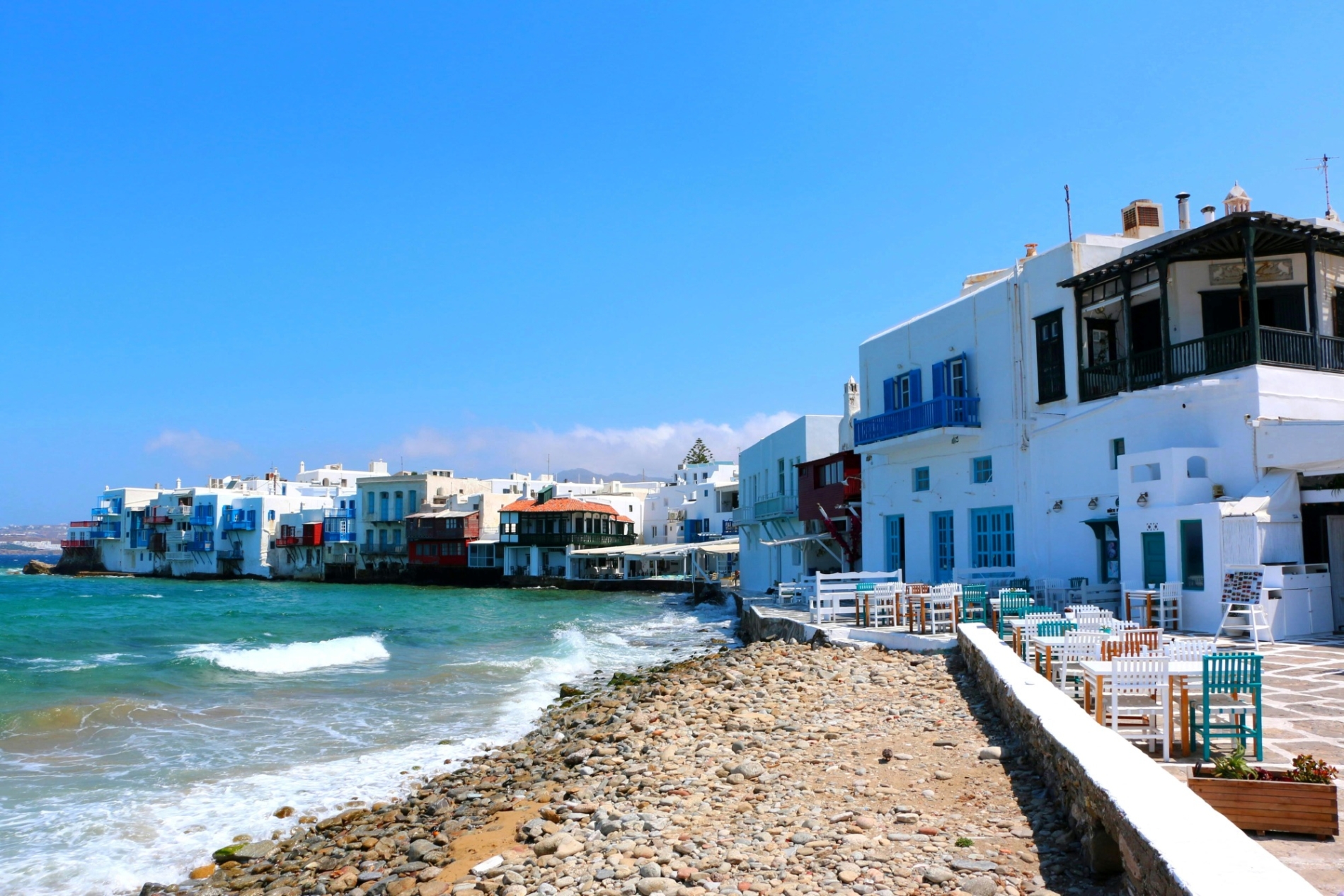
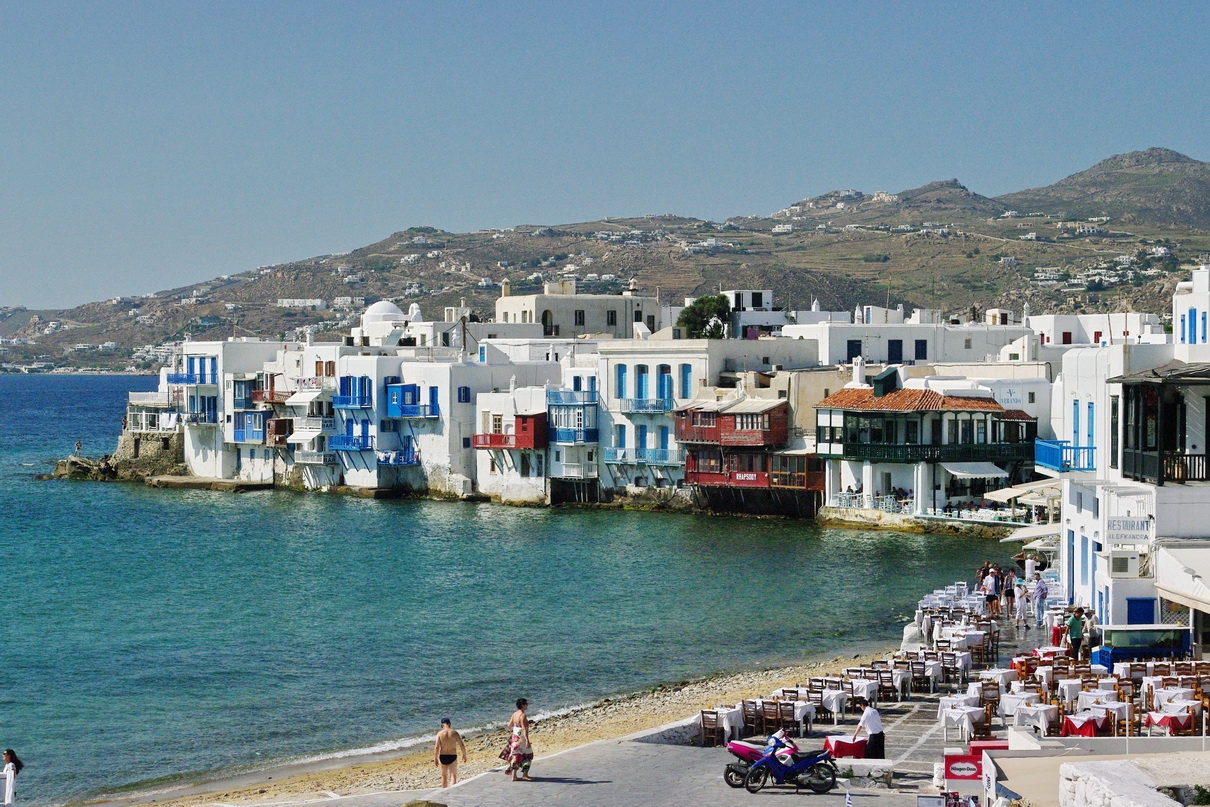
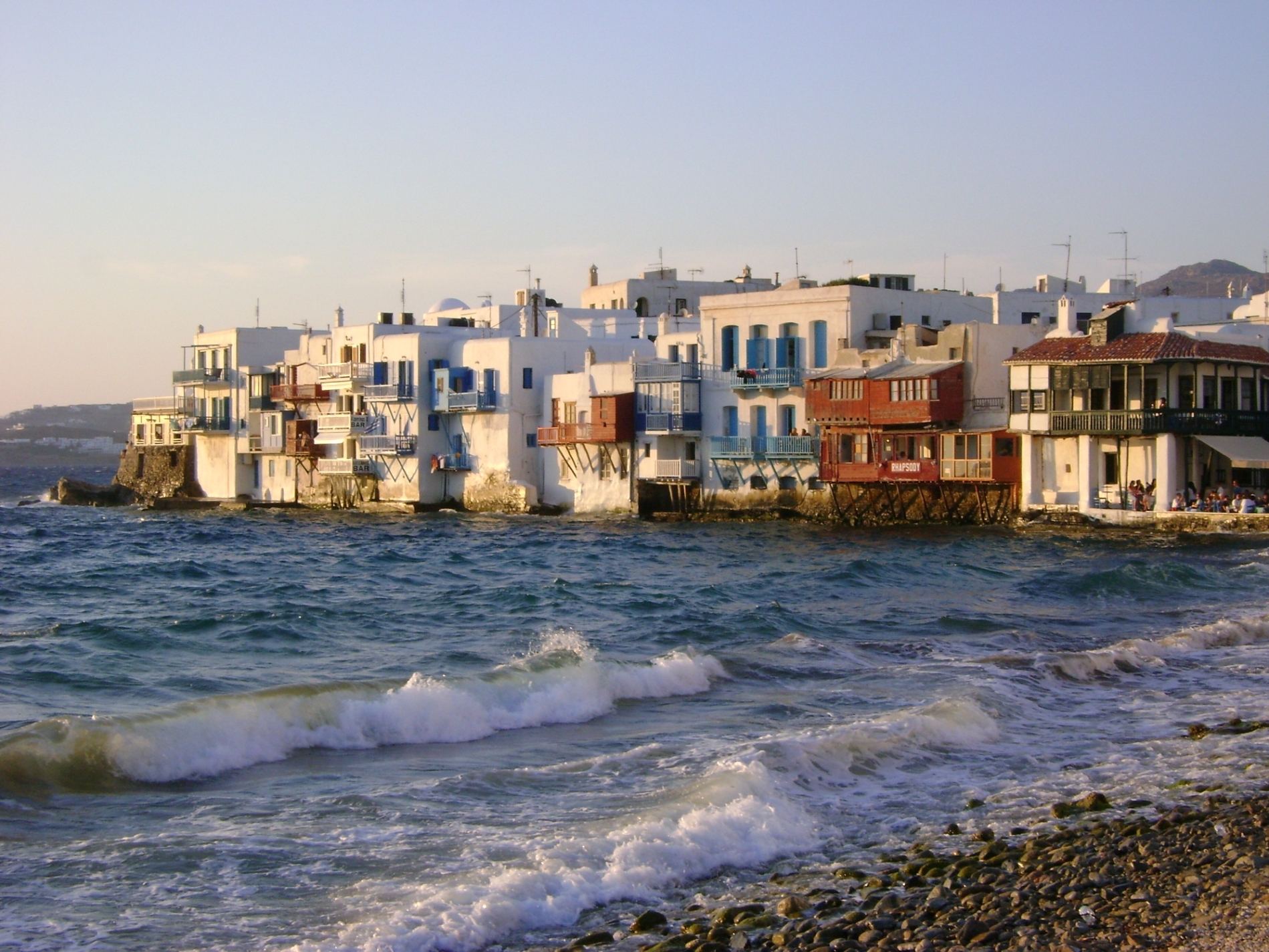
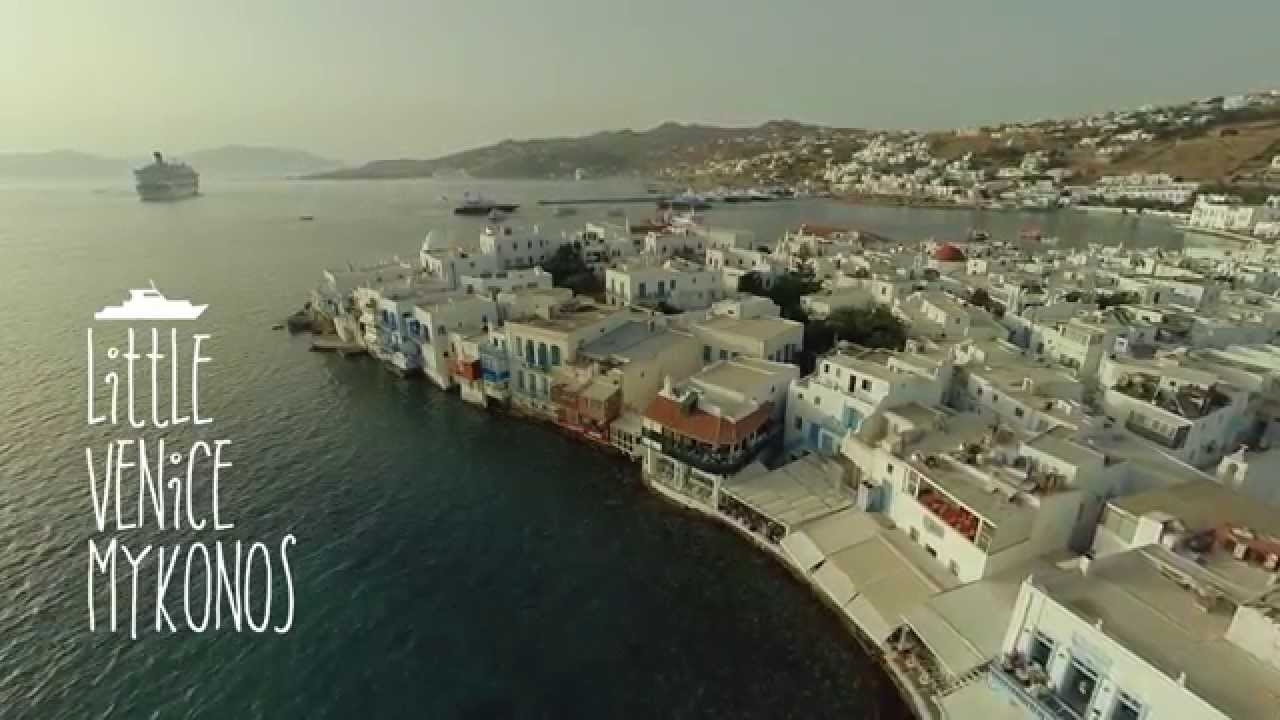
Where the most western part of the town meets the sea is the area known as “Little Venice”. Here the buildings have been constructed right on the sea”s edge with their balconies overhanging the water. During the 16th and 17th century pirating was common and it is believed this area was used for the necessary quick loading and unloading of goods.
MYKONOS WINDMILLS
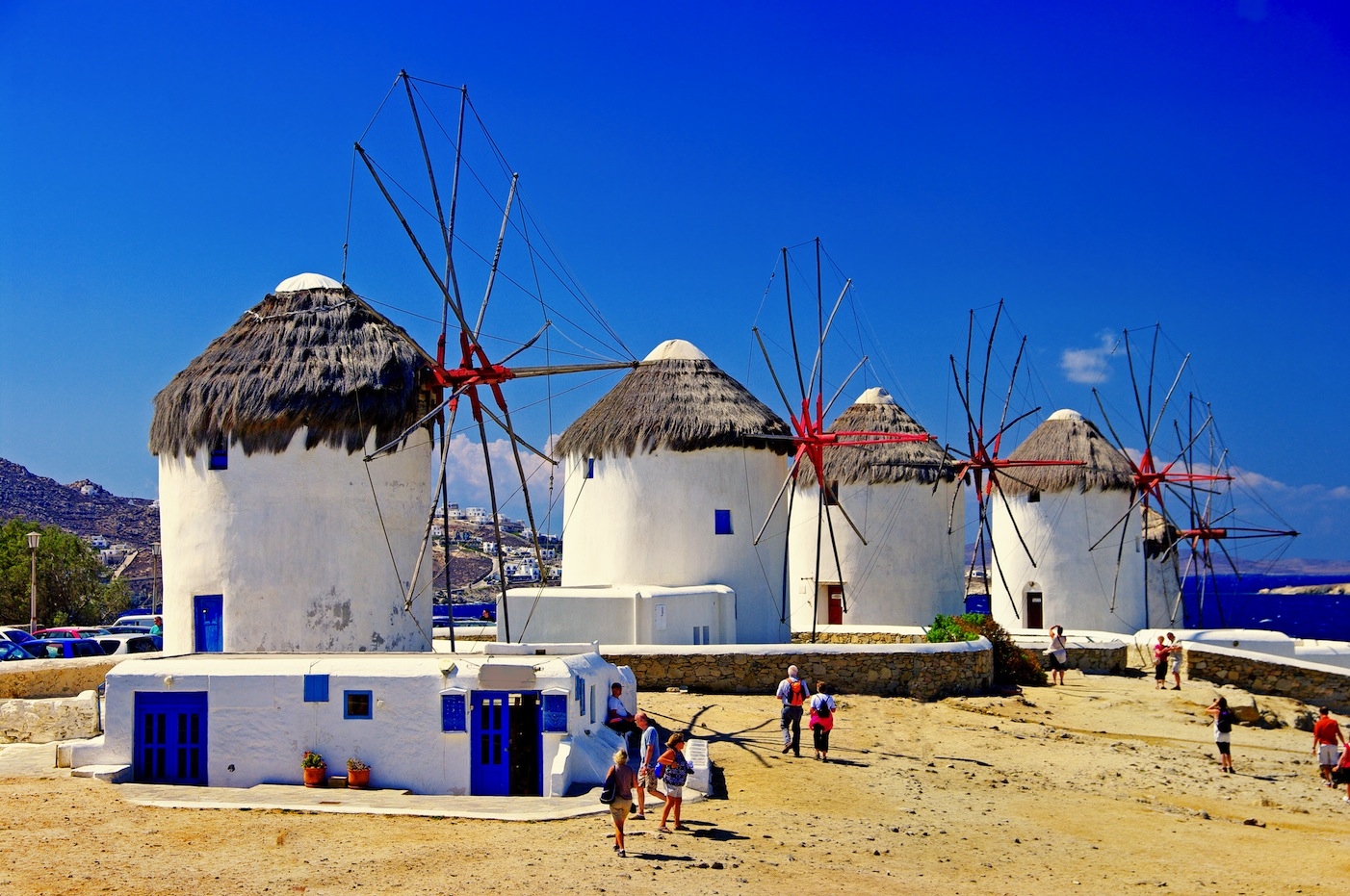
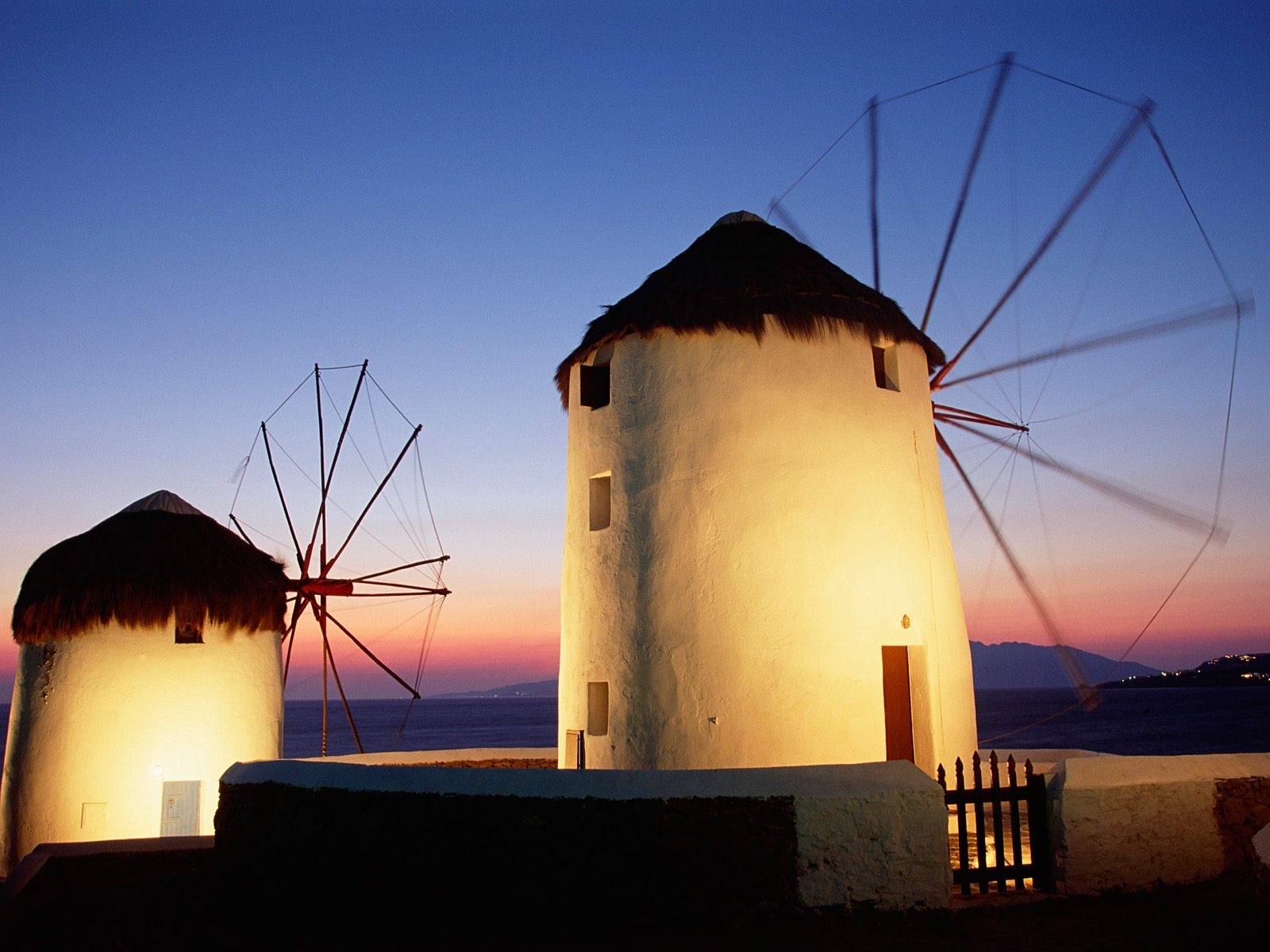
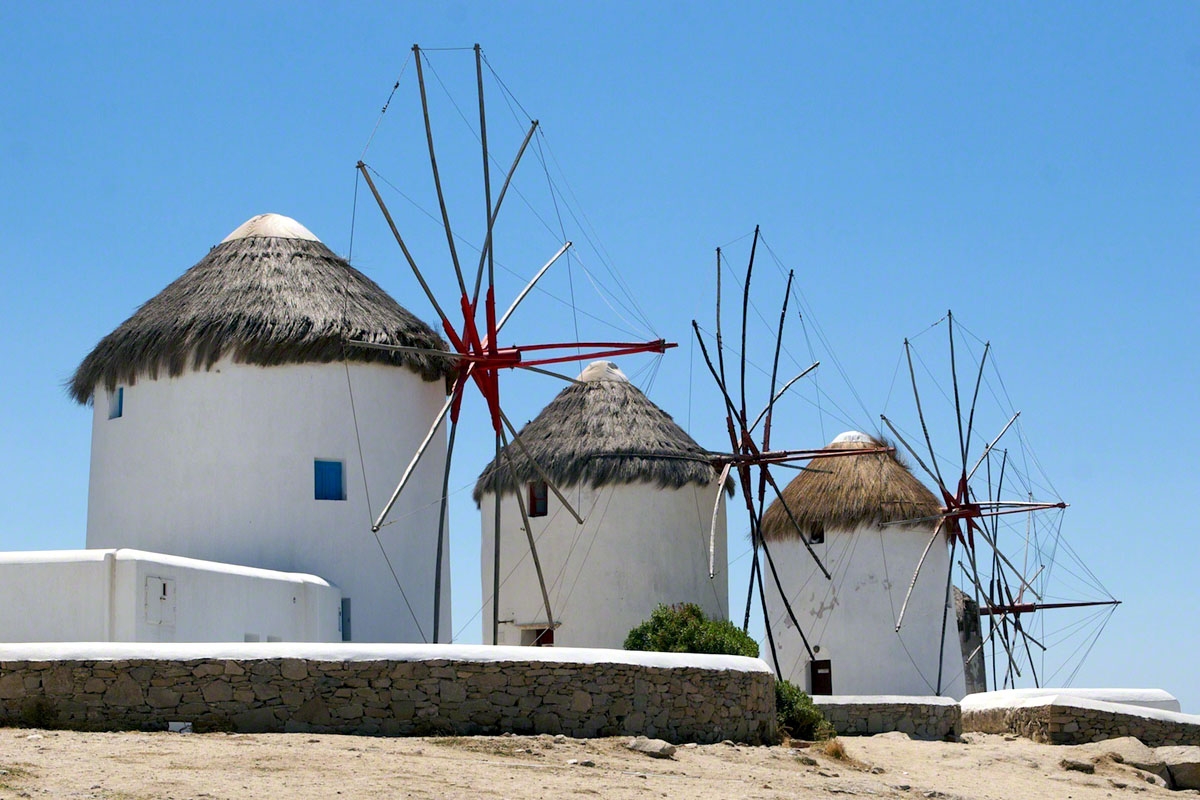
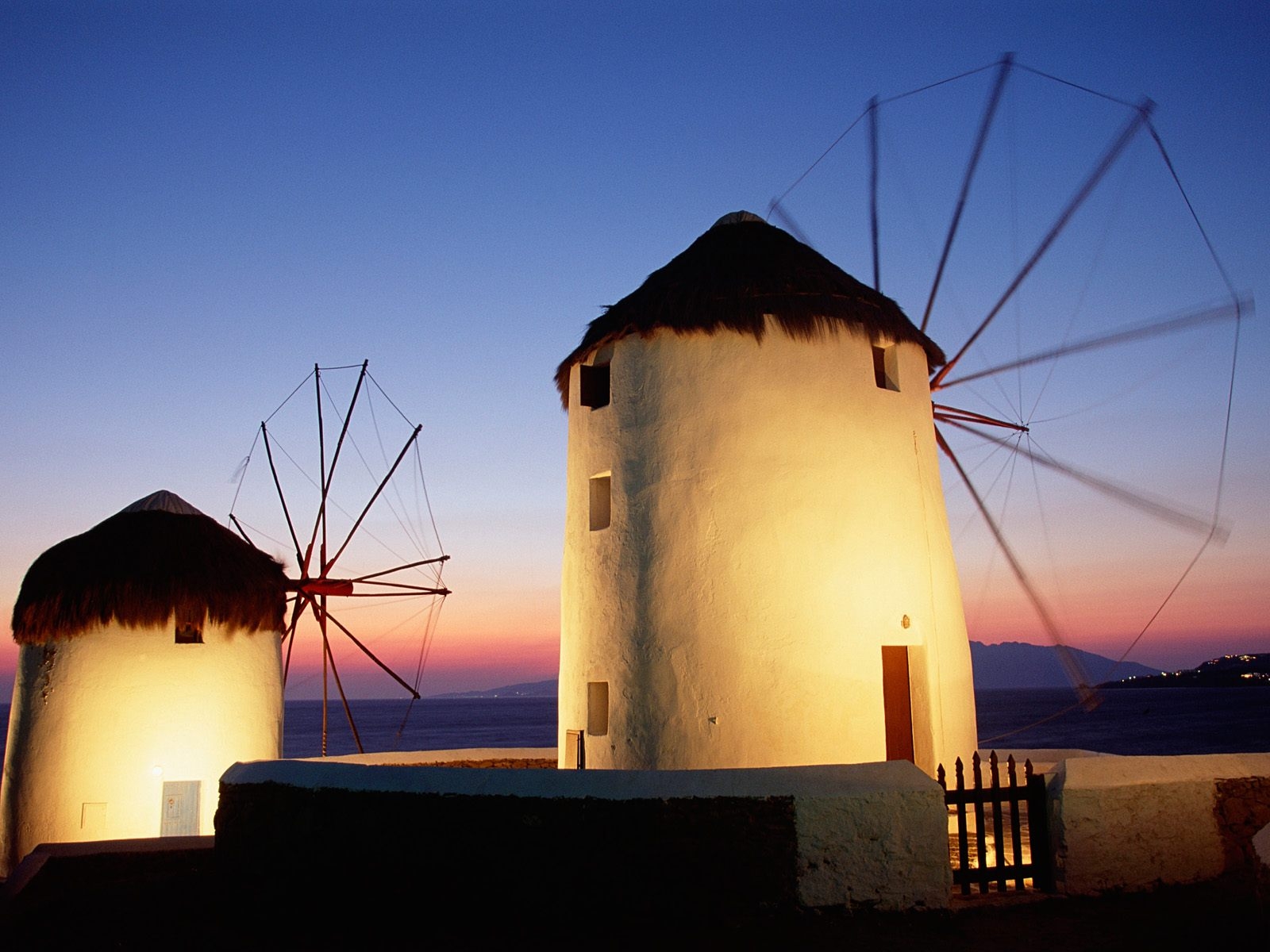
From as early as the 16th century one of the most recognized landmarks of Mykonos have been the windmills. Due to it”s geographic position, Mykonos was situated on major sea trade-route which at one time joined Venice, the gateway of Europe, to Asia. The need to refine grain and compact it for transport combined with an ample year round supply of wind made Mykonos the perfect location. Easy access to the harbor was necessary so most of the island”s mills were positioned in or around the main port with the highest concentration covering the entire western portion of town. With the coming of industrialization the windmills importance began to decline as well as their numbers. The cluster of Kato Myloi (Lower Windmills), which rise proudly over the sea, on the small hill southwest of Hora (the city of Mykonos).
Windmills Mykonos
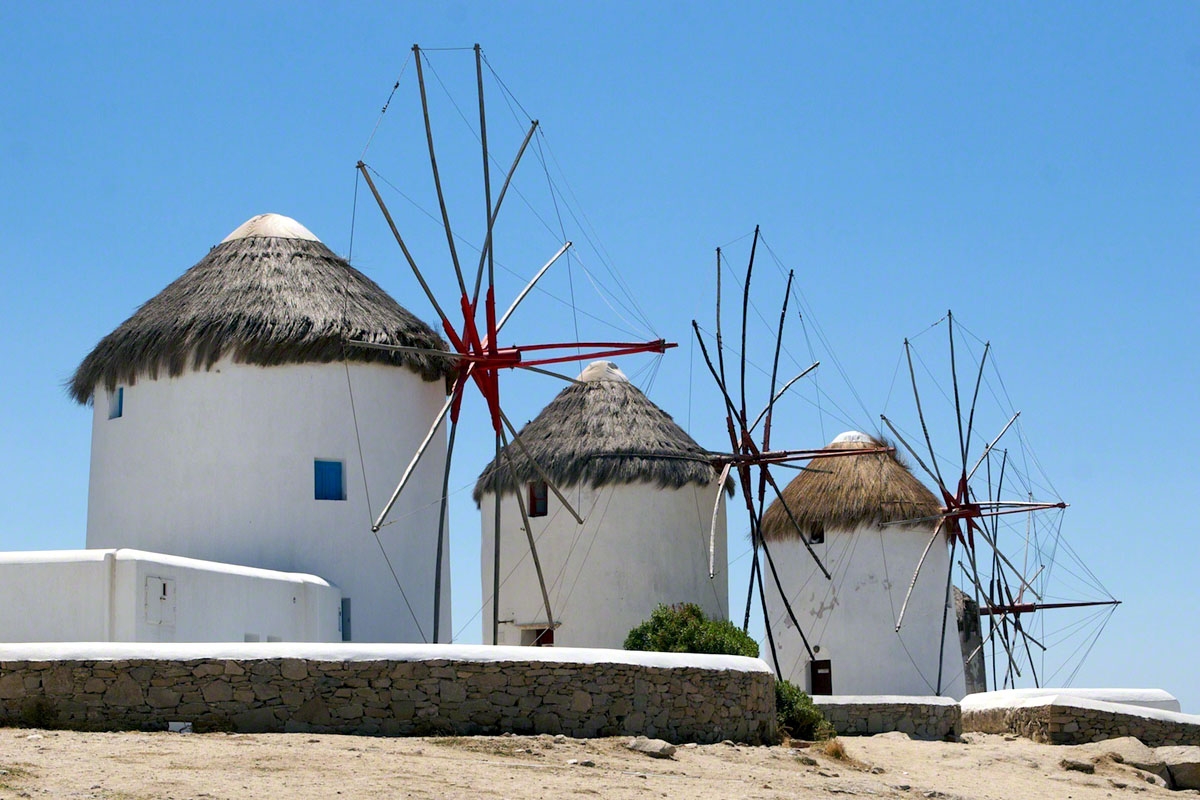
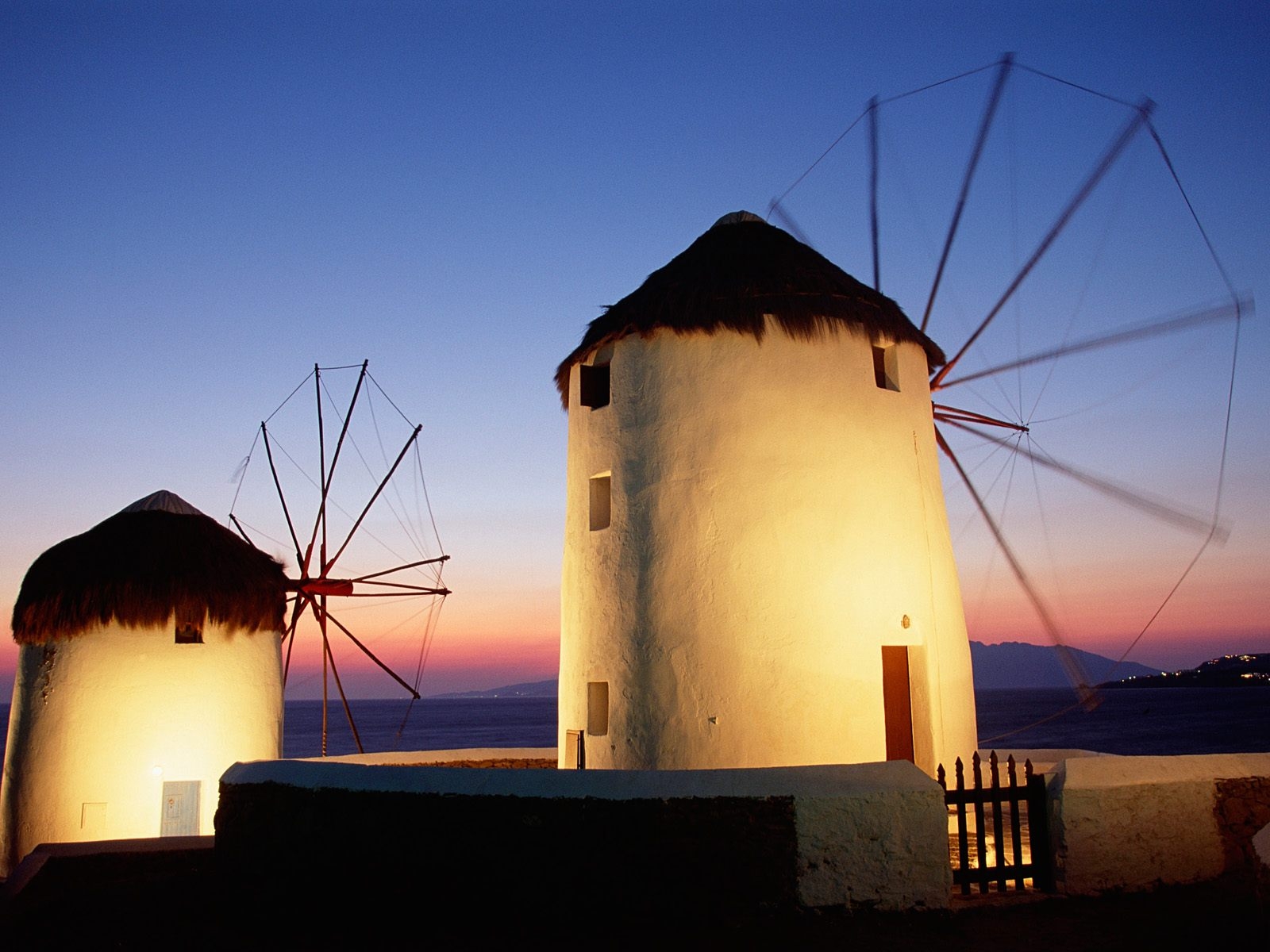
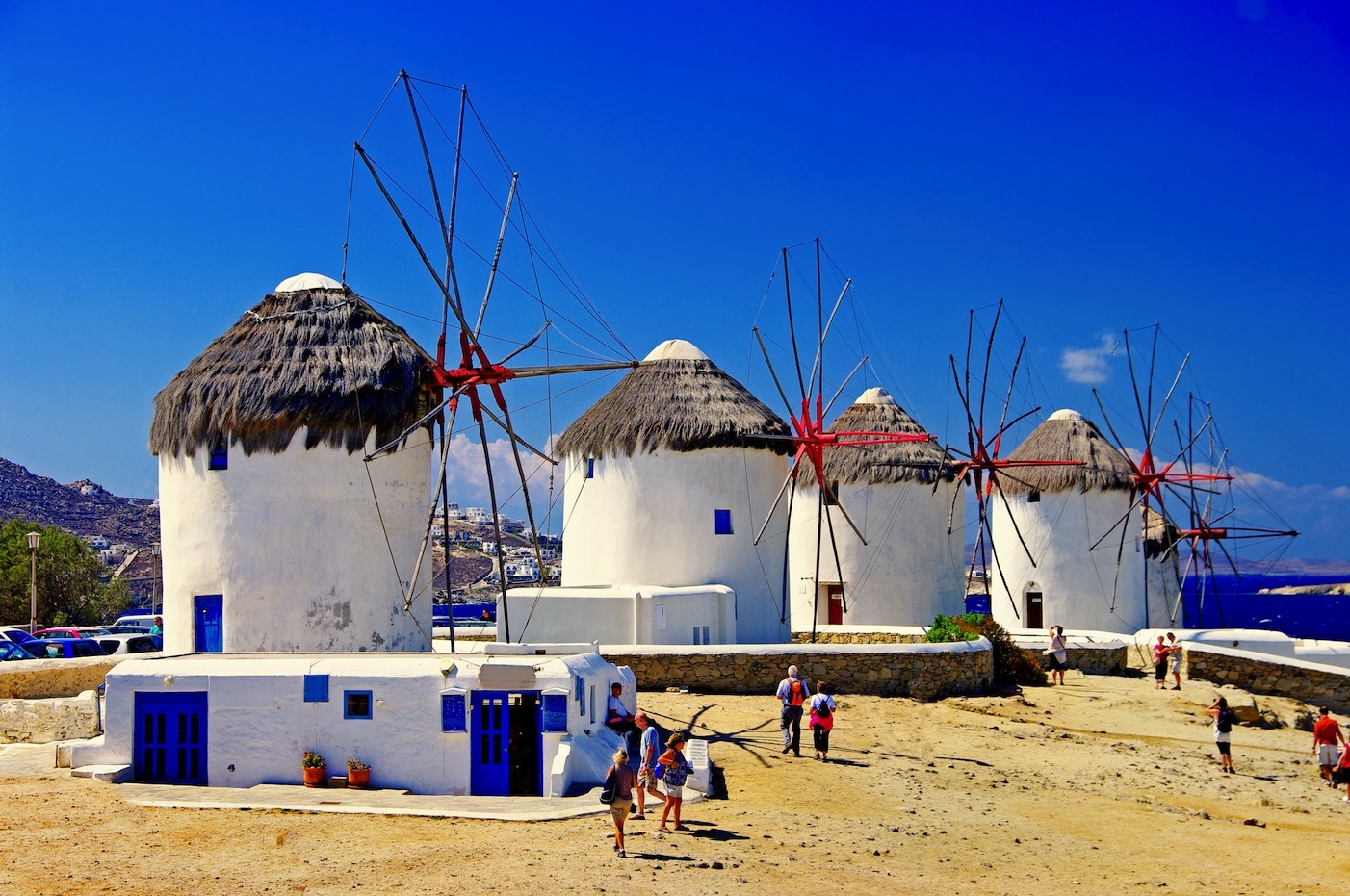
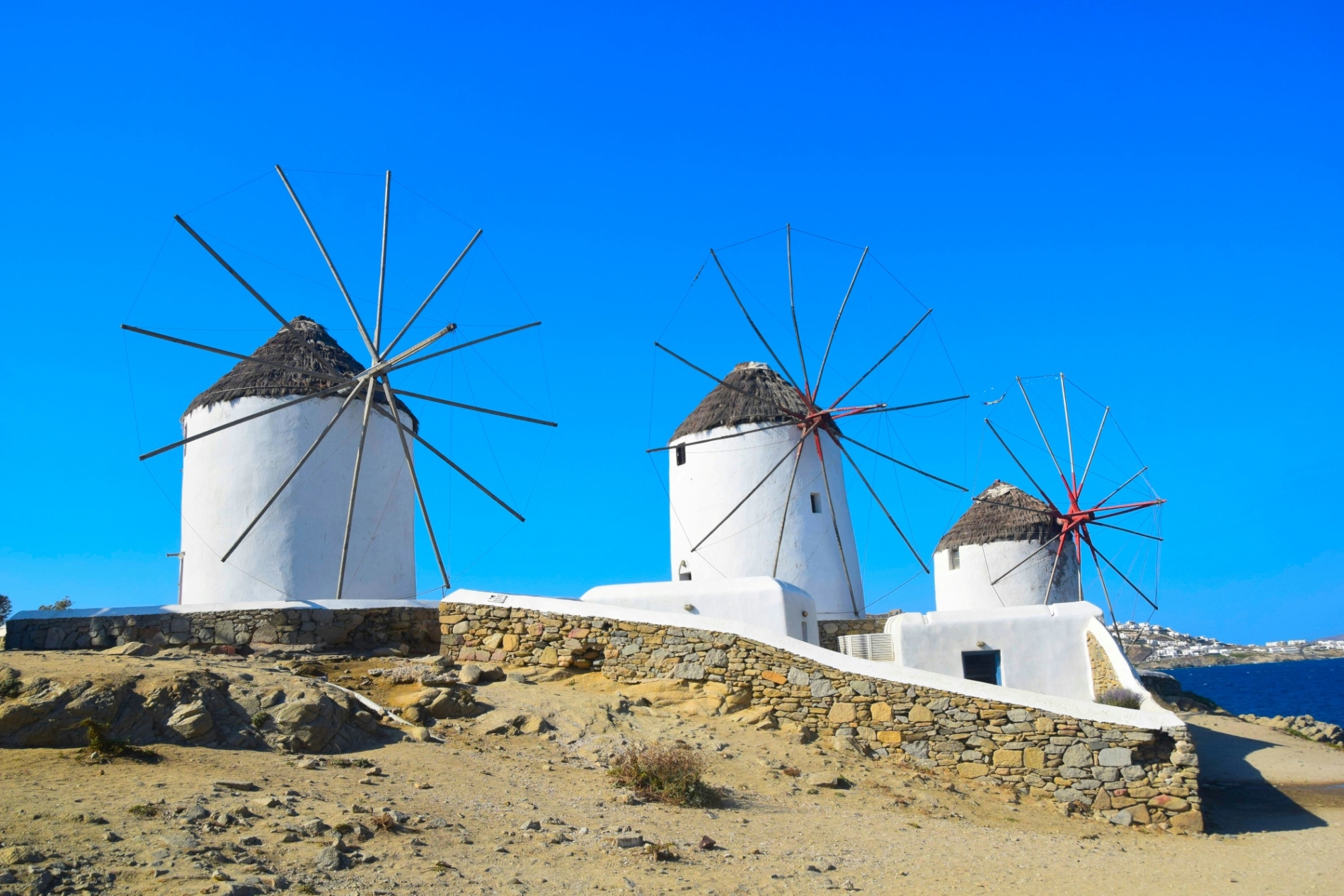
The windmills Kato Myloi are situated southwest of Mykonos Town - Hora, next to the sea, between scenic Alefkadra and the quarter of Niohori, and impress every visitor with their snow-white magnificence, built in a row, looking to the sea. Today, seven have been preserved out of ten (once there were more than twenty on the island), which existed here until the first decades of the 20th century and used to grind with the unstoppable power of the northern wind the local wheat.
CYCLADES WINDMILLS
The Windmills of Mykonos, early processing units, decisively contributed between the 17th and the 19th century to the economic prosperity of the island, which, being a necessary station for the passing sailboats, supplied them with rusk. After the 1st World War, through the progress of technology they lost their financial value and were finally marked as one of the most popular monuments of the Cyclades islands and, their picture as a trademark travelled all around the world.
In 1700 the cluster with the 11 windmills had already been developed and operated. Today, the Windmill of Geronymos (private) is in the best condition, which used to operate until the 60s and, the greatest part of its equipment has been preserved.